

TBL Thinks: Critical Minerals


Dear Readers,
It’s Thinking Time! This week we cover Trump’s announcement of Project Vault to launch a $12 billion critical minerals stockpile to ensure that American businesses and workers are never harmed by any shortages caused by insufficient supply lines.
TBL Thinks is our way to summarize the most important paywalled, longer reads relevant to global macroeconomics, helping you cut through the noise. With that in mind, please enjoy.

The foundations of money are shifting in ways that are easy to feel but harder to name.
Persistent deficits, rising debt, and central bank behavior are quietly reshaping how investors think about preservation and risk.
In The Debasement Trade, James Lavish explains why currency debasement is structural, why traditional portfolio assumptions are being tested, and why gold tends to move first while bitcoin often moves further as the implications compound.
The report covers:
Why debasement is not cyclical
How inflation and financial repression stress familiar portfolios
Why gold signals early—and bitcoin expresses the shift later, with more asymmetry
Cutting Out the Mineral Man
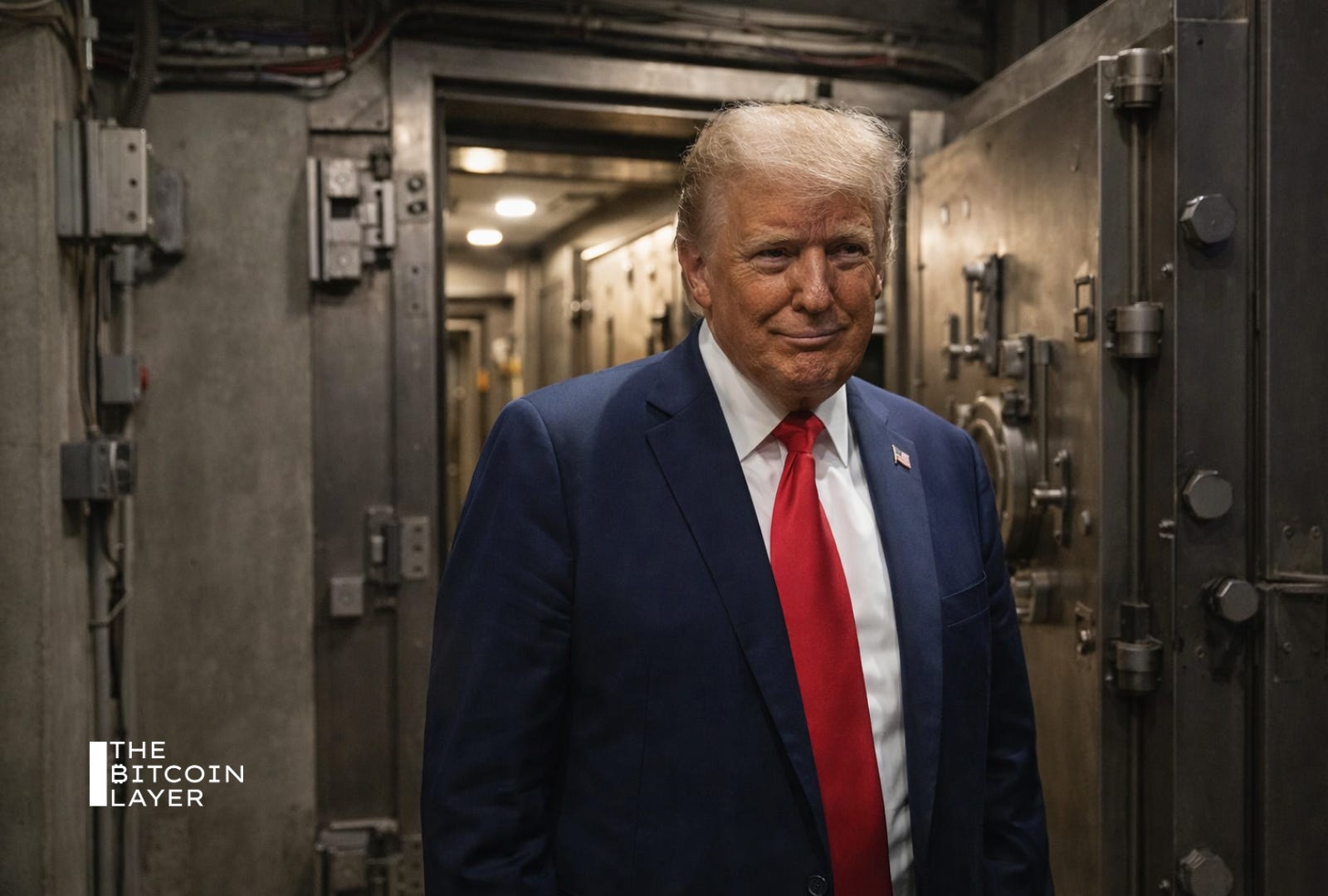
As China continues to dominate the production of critical minerals, the rest of the world is wondering how exactly it can break free from its reliance on the Eastern power. In a sea of controversy, noise, and disgust at the latest Epstein file dump and radio silence regarding Secretary of Commerce Howard Lutnick, President Trump announced a strategic critical-minerals stockpile on Tuesday with $12 billion in seed money, nicknamed Project Vault, as a solution to the country’s reliance on China for rare earths. Project Vault will be funded with a $10 billion loan from the U.S. Export-Import Bank, along with $1.67 billion in private capital. The loan from Ex-Im Bank has a term of 15 years and is more than double in size compared to the largest deal the bank had done prior to this.
